


The Jeep Cherokee XJ is renowned for its off-road capability and rugged simplicity, but the factory audio system was never designed to impress. With flimsy paper cone speakers, an underpowered head unit, and absolutely zero bass response, listening to music in an XJ is often a exercise in frustration—especially with road noise from mud-terrain tires and wind creeping through aging door seals. Installing an aftermarket sound system with subwoofers transforms the driving experience, turning your Cherokee into a rolling concert hall. However, the XJ’s compact dimensions, electrical limitations, and unique unibody construction require careful planning. Here is how to do it right.
Choosing Your Components
Start with a quality head unit—preferably a double-DIN receiver with Apple CarPlay or Android Auto. These units fit the XJ’s dash nicely with a Metra installation kit and provide the clean pre-amp outputs you will need for external amplifiers . For speakers, 6.5-inch components in the front doors and 6.5-inch coaxial speakers in the overhead sound bar or rear hatch area are standard upgrades . When it comes to subwoofers, the XJ’s limited cargo space demands creative solutions. The most popular options include a single 8-inch or 10-inch subwoofer mounted in a “cubby hole” enclosure that fits into the passenger-side rear cargo panel, or a slim truck-style box that sits against the back seat . Brands like SubThump and Select Increments offer XJ-specific enclosures that look almost factory . A single subwoofer is typically sufficient because low-frequency bass is omnidirectional—you will not be able to tell where it is coming from, so two subs are rarely necessary in this small cabin .
Wiring and Amplifier Installation
The amplifier requires a dedicated power wire (4-gauge or 8-gauge, depending on your system’s draw) run directly from the positive battery terminal, through a fuse holder within 12 inches of the battery, then through a firewall grommet. Most XJ owners route the power wire through the grommet behind the oil filter on the passenger side or through the driver-side grommet used by the factory wiring harness . From there, run the cable along the passenger-side kick panel, under the door sill trim, and to the rear of the vehicle. The remote turn-on wire (typically blue or blue/white) connects from the head unit to the amplifier, telling the amp to power up when the radio turns on .
Grounding and the “Big 3” Upgrade
The XJ’s unibody construction means the factory grounding points are often inadequate for high-current audio systems. For your amplifier ground, scrape away any paint around a seat belt bolt or a factory grounding stud in the rear cargo area, ensuring bare metal-to-metal contact . However, this alone may not be sufficient. XJ owners have long known that the factory electrical system—alternator, battery cables, and grounds—is marginal at best . Before installing a powerful subwoofer amplifier, perform the “Big 3” upgrade: replace the factory battery ground to the engine block with 1/0 or 4-gauge wire, replace the alternator positive to battery cable, and add a new engine ground to the chassis . This reduces electrical resistance, eliminates voltage drops, and prevents headlight dimming when the bass hits hard .
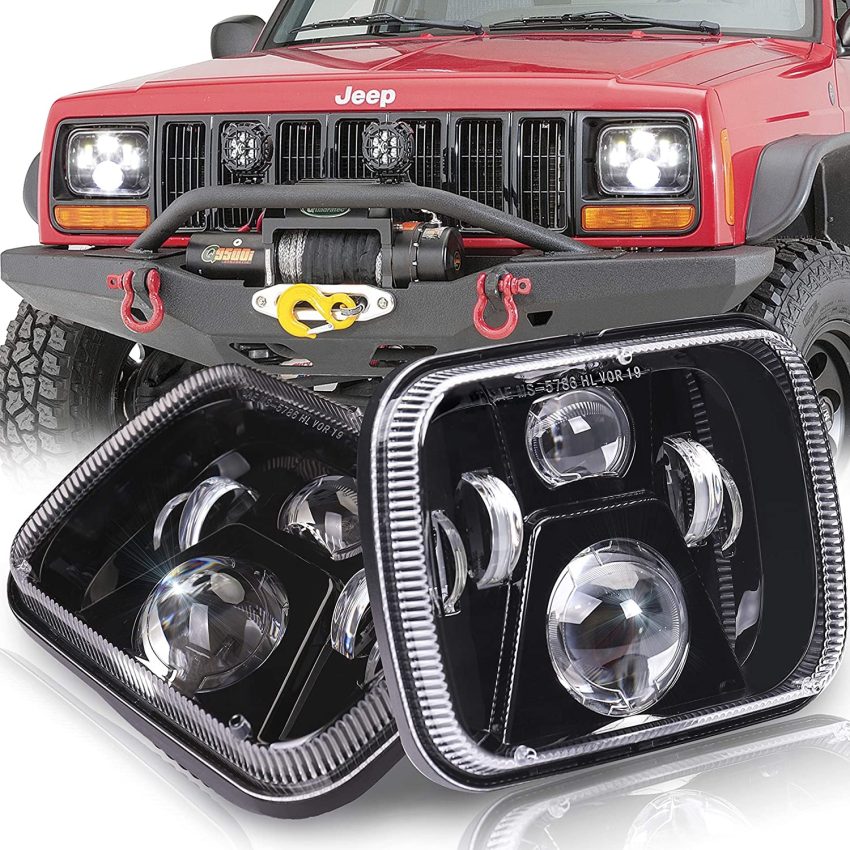
**One of the most noticeable—and frustrating—side effects of installing a high-powered subwoofer system in an XJ is the dreaded headlight dimming. Every time the bass drum kicks or a deep synth note plays, your Jeep Cherokee XJ headlights pulse in rhythm, reducing visibility and making you look like you are driving a disco on wheels. This happens because the subwoofer amplifier draws sudden bursts of current from the electrical system, causing a momentary voltage drop. The XJ’s factory alternator (typically 90 amps, with some later models getting 117-124 amps) simply cannot keep up with the demand of a powerful amplifier, especially at idle . The solution involves several layers. First, complete the Big 3 upgrade mentioned above—this alone often cures minor dimming. Second, consider upgrading your alternator: a 136-amp unit from a 1998 Jeep Grand Cherokee 5.9L bolts in with minimal modification, or a 160-amp unit from a Dodge Durango fits with some grinding on the mounting bracket . Third, install a capacitor (1 farad per 1,000 watts of amplifier power) near the amplifier to store energy and release it during bass hits. Finally, if dimming persists, install a second battery in the rear cargo area using an isolator. Do not ignore this issue—severe voltage drops can damage your amplifier, your headlights, and even your vehicle’s ECU. If you have upgraded your XJ’s headlights to high-output LEDs (highly recommended for night driving), they are even more sensitive to voltage fluctuations, making the dimming effect more pronounced. After completing your audio system, re-aim your headlights if the additional electrical components or battery weight has altered your vehicle’s stance. A proper electrical foundation ensures both your music and your lights perform flawlessly.
Subwoofer Placement and Enclosures
For subwoofer placement, the rear cargo area is your only real option. A sealed enclosure delivers tight, accurate bass and is generally smaller, while a ported enclosure produces louder, boomier bass but requires more space . The XJ’s cargo area is notoriously small, so many owners sacrifice the rear passenger-side cubby hole for a stealth subwoofer enclosure . Others build a custom box that sits flush against the back seat, leaving the main cargo floor free for gear. Regardless of your choice, ensure the subwoofer is securely mounted—a 50-pound box becomes a dangerous projectile in a collision or hard off-road maneuver. Use heavy-duty ratchet straps or bolt the enclosure directly to the floor.
Sound Deadening
Do not skip this step. The XJ’s sheet metal roof, doors, and floors resonate like a drum, and adding subwoofers only exacerbates the problem. Apply butyl-based sound deadening mats (like Kilmat or Dynamat) to the inner door skins, the roof panel under the headliner, and the entire cargo floor . This dramatically reduces rattles, improves bass response, and lowers road noise. One forum member reported using three 36-square-foot packages to cover his entire XJ interior, with transformative results .
A well-executed sound system transforms the XJ from a utilitarian machine into a comfortable cruiser. But remember: great sound is worthless if your headlights are pulsing to the beat and your electrical system is struggling. Plan your power upgrades first, then build your audio system around that foundation. Your Cherokee—and your ears—will thank you.